
Shipping
Sea, Air or Road: Choosing How to Ship Your Goods
The right shipping method depends on what you are sending, where it is going, how quickly it needs to arrive and what you want to spend. Here is how the main options compare.
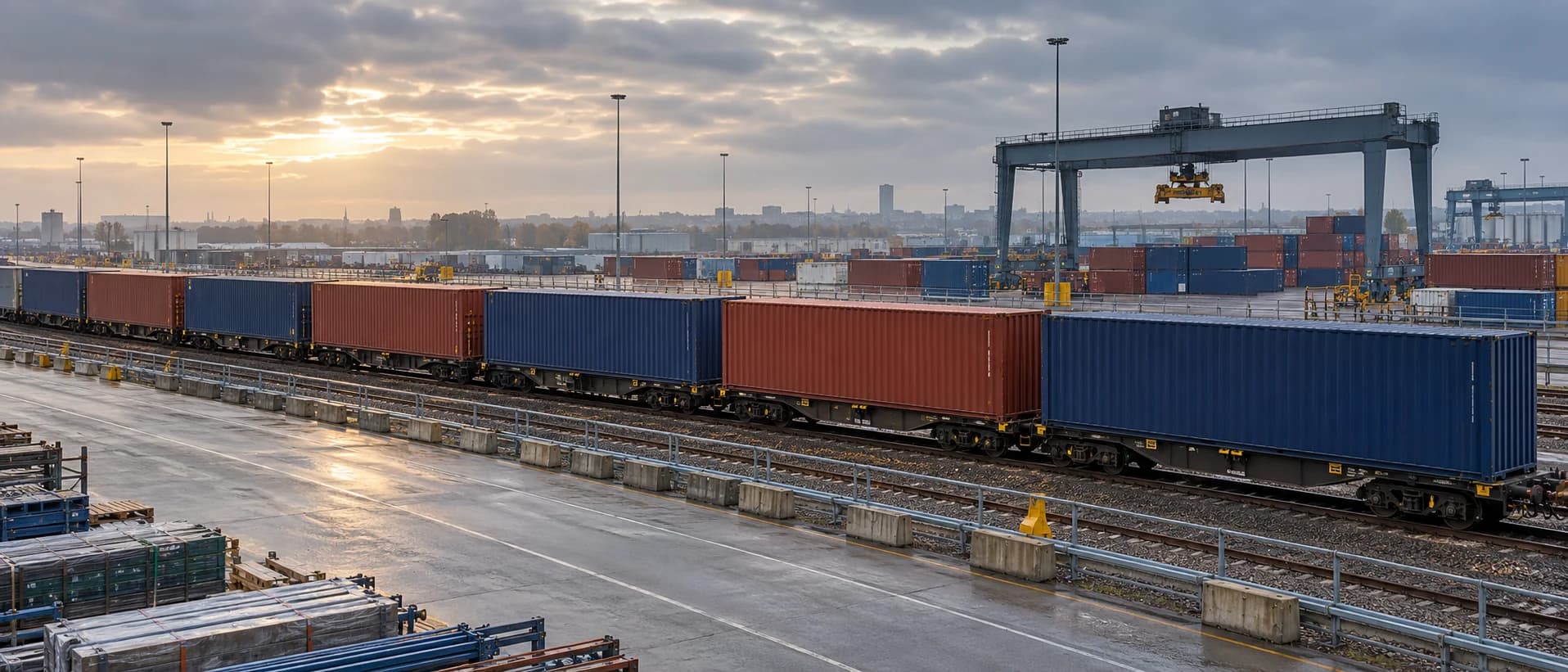
When people ask which shipping method is best, the honest answer is that it depends. The same consignment can suit different methods depending on the deadline, the budget and the route. Understanding the trade-offs makes it easier to have a useful conversation about your goods.
Sea freight
Sea freight is commonly used for large volumes and heavy goods travelling long distances. Goods usually travel in shipping containers, either filling a container on their own or sharing space with other consignments.
- Usually suited to: large or heavy consignments, bulk goods and shipments where the timescale is flexible
- Things to consider: transit times are typically measured in weeks rather than days, and goods still need moving to and from the ports
Air freight
Air freight is usually the quickest way to move goods over long distances, and it is typically the most expensive per kilogram. Charges are often based on whichever is greater: the actual weight or the space the goods take up.
- Usually suited to: urgent shipments, smaller consignments and higher-value items
- Things to consider: some goods, such as certain batteries and chemicals, are restricted or need special handling when carried by air
Road freight
Road freight moves goods overland by van or lorry. It is often used for domestic deliveries, for routes where goods can travel by land, and for the collection and final delivery stages of sea and air shipments.
- Usually suited to: overland routes, door-to-door delivery and part loads
- Things to consider: journey times depend on distance, border crossings and the type of vehicle needed
Paperwork applies whichever method you choose
Goods crossing a border generally need customs paperwork, and duties or taxes may be due depending on the goods and the countries involved. The exact requirements vary, so it helps to raise any documentation questions early in the conversation.
Getting advice on your consignment
To discuss the options properly, it helps to know what the goods are, how they are packed, their approximate weight and size, where they are collected from, where they are going and when they need to arrive. If you are not sure which method you need, you can choose “not sure” on the enquiry form and we will talk it through with you.