Shipping
Shipping by Sea, Air & Road
There is no single best way to move goods. The right method depends on what you are sending, how much of it there is, where it is going and how quickly it needs to arrive.
The three options
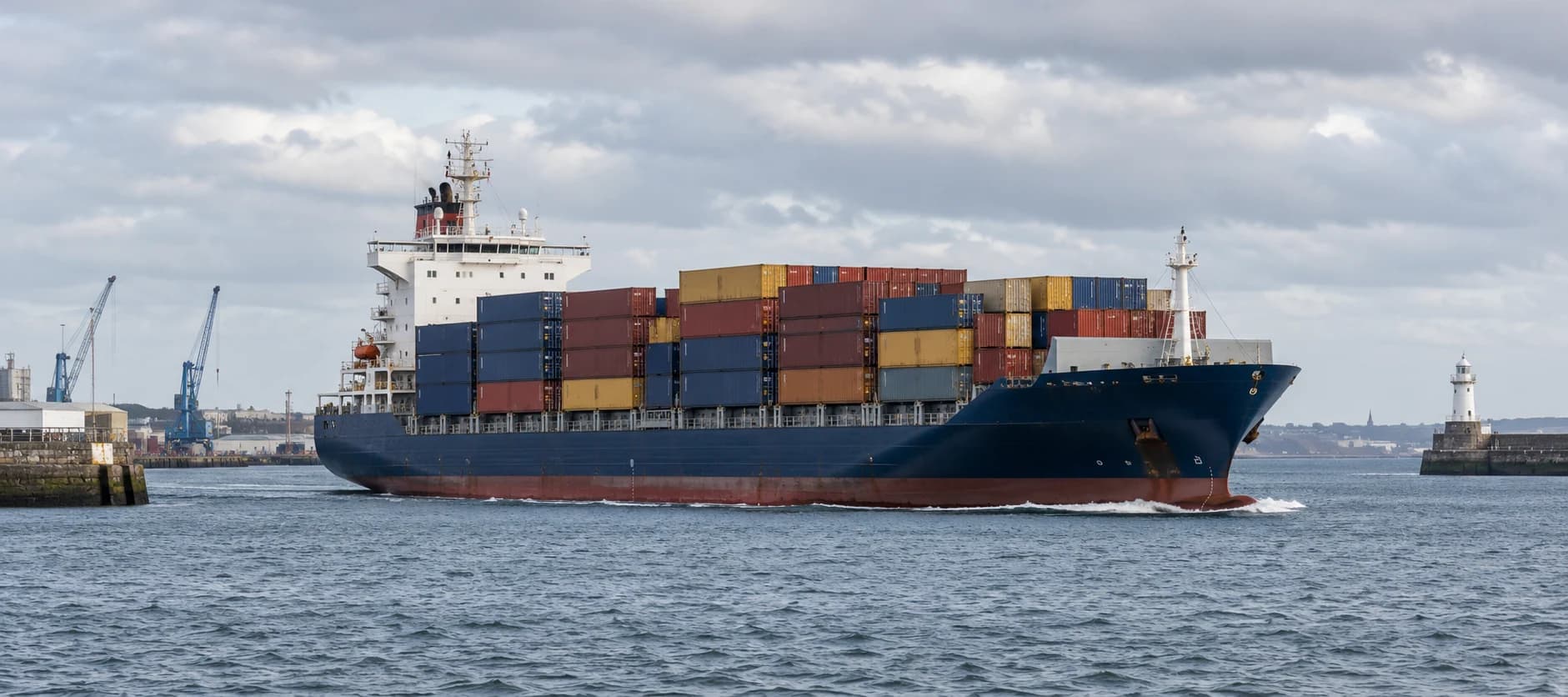
- Sea is often considered for larger or heavier consignments where the timescale is flexible.
- Air is often considered when speed matters more than cost, or for smaller, higher-value items.
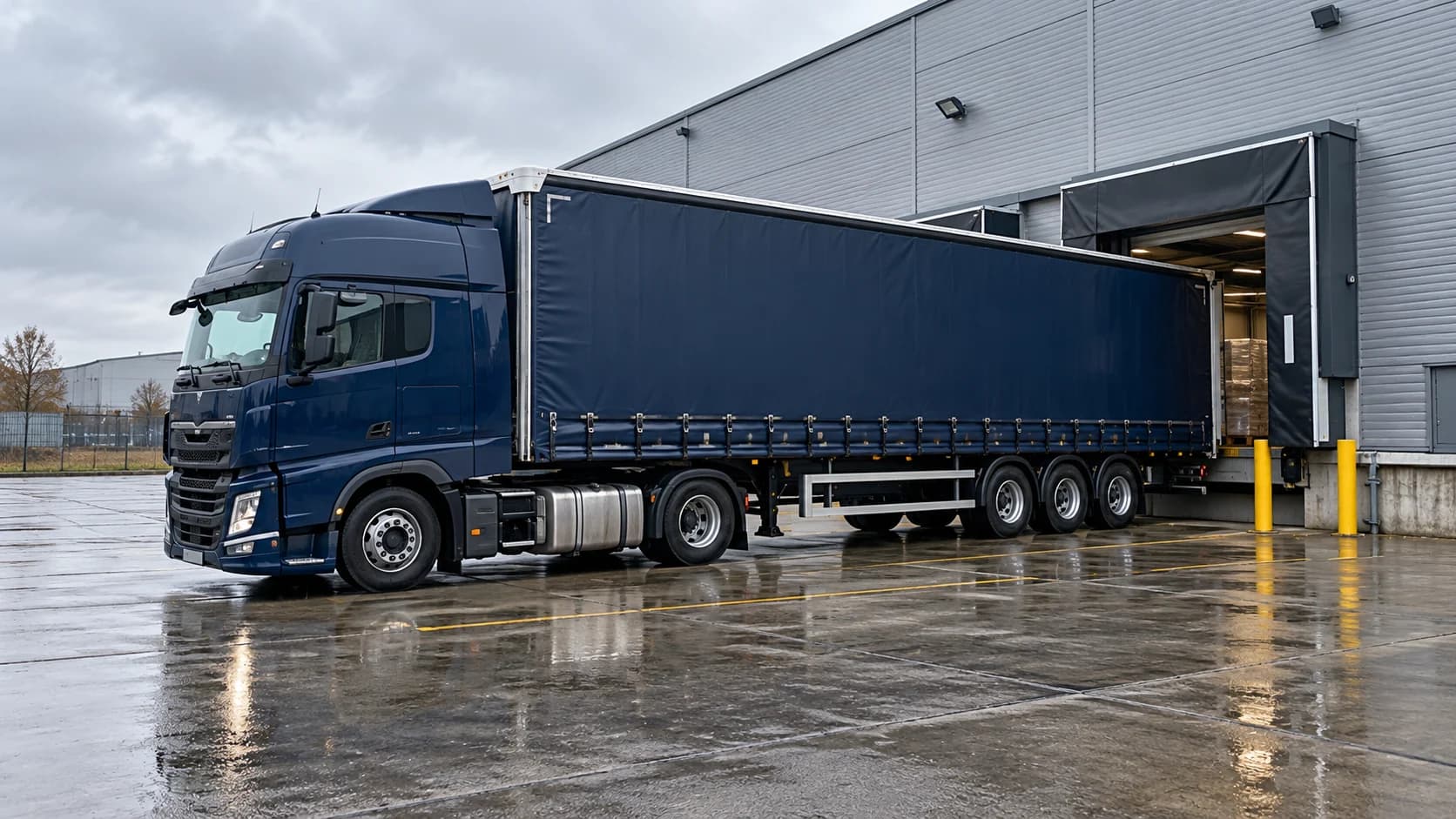
- Road is often considered where goods can travel overland, and for collection or final delivery.
These are general considerations rather than fixed rules. Some consignments combine more than one method.
What helps us advise you
- What the goods are and how they are packed
- Approximate weight, dimensions or volume
- Collection and delivery locations
- When the goods are ready and when they need to arrive
Before anything is agreed: A shipping enquiry is not a booking. Routes, costs, transit times and responsibilities are confirmed with you directly before any shipment is arranged.
Shipping
Three ways to move your goods.
Sea
Often considered for larger or heavier consignments where the timescale is flexible.
Air
Often considered when speed matters more than cost, or for smaller, higher-value items.
Road
Often considered where goods can travel overland, and for collection and final delivery.
Compare the options
Sea, air and road at a glance.
| Sea | Air | Road | |
|---|---|---|---|
| Typical speed | The slowest option over long distances, often weeks rather than days. | Usually the quickest over long distances. | Depends on the distance, the route and any border crossings. |
| Typical cost | Often the most economical for large volumes and heavy goods. | Usually the most expensive per kilogram. | Depends on the distance, the vehicle and whether the load is full or shared. |
| Often suits | Large, heavy or bulk consignments with a flexible timescale. | Urgent shipments, smaller consignments and higher-value items. | Overland routes, door-to-door delivery and part loads. |
| Worth knowing | Goods still need moving to and from the ports. | Some goods, such as certain batteries and chemicals, are restricted or need special handling. | Often used for the collection and final delivery stages of sea and air shipments. |
General guidance only. Actual transit times and costs depend on the goods, the route and the time of year, and are confirmed with you before anything is arranged.
Other ways we can help
- Import enquiriesImportTell us what you need to bring in, where it is coming from and when you need it. We review the requirement with you and discuss the options.Learn more
- Export enquiriesExportTell us what you need to send, where it needs to go and when. We review the requirement with you and discuss how it could be supplied and shipped.Learn more
- Buying & sellingNew & Used GoodsWe buy and sell new and used products across a wide range of categories. Ask about something specific, or tell us about goods you would like to sell.Learn more

Have a Trade Requirement? Let's Discuss It.
Share the details of your enquiry and give us the information needed to understand your requirements.